
Car Ownership Rules No One Tells You
Buying a car should be straightforward–pick out a car you like, buy it, and drive it, right? But there’s a lot more to the process than just that. Today we are talking about the car ownership rules that no one tells you about, and what you need to know when it comes to buying, maintaining, auto refinancing, and selling that new ride of yours. Here are the car ownership rules you should know.What to Know About Buying a CarWhile buying a car is an exciting time, it may not be as quick and straightforward as we wish it was. Here are some tips to keep in mind when buying a car.Patience is KeyWhile shopping around can be fun at first, it quickly loses its luster after you have a few deals that don’t work out. This makes it easy to get panicky and jump the gun on what might not be a great deal, or what might not be the car that you truly want. Try not to fall into the trap of impatience. It will lead you to either buy a car you don’t love or end up in a bad financing arrangement. It’s true that you can't sit around waiting to pull the trigger on a good deal (especially in today’s competitive car market), but you need to strike a balance. Wait to find a car that you will truly be happy with (you might have to compromise slightly re: that competitive car market), but don’t make any decisions out of panic or fear of missing out.Use the 20/4/10 Rule to See What You Can AffordWhen you are looking to buy a car, make sure you have a realistic idea about what you can afford. A good way to determine this is to use the 20/4/10 rule. This means you should make a 20% down payment on a four year car loan and pay no more than 10% of your monthly incomes on transportation (that includes the cost of gas). Using this rule can ensure that you don’t overextend yourself.Leasing and Buying are Both Great OptionsPeople tend to have a preference when it comes to leasing and buying. If you have always leased, the prospect of buying might seem overwhelming, and vice versa. But it might make sense for you to switch to the other side depending on your situation. Leasing a car might make sense if:You want the lowest monthly paymentsYou don’t drive a lotYou don’t want to worry about maintenanceYou like getting a new car every few yearsYou don’t want to worry about selling your carYou want to maximize business tax deductionsBuying a car might make sense if:You want to have an asset at the end of the payment periodYou like to work on your own carYou want to customize your carYou drive a lot (and would exceed the mileage limits on a lease)Look at your finances and your driving patterns to see what makes the most sense for you. And keep in mind that if you decide to lease, you can always purchase the car along the way with an auto lease purchase loan.Make Sure Your Credit is in Good Shape Before Applying for FinancingYour credit score is the most important factor (that you can control) when it comes to the car loan APR you will be offered. So it is very important to make sure that your credit score is in the best shape possible before you look to buy. To increase your credit score, commit to the following:Make full, consistent, on-time payments Set up auto pay on your billsPay down debtAsk for higher credit limitsCheck your credit report for errors and inconsistenciesThese simple things can increase your credit score dramatically, securing you a better car loan APR and saving you a lot of money in the long run.What to Know About Owning a CarYou Need a Good Maintenance ScheduleYour car will perform at its best when it is well maintained. Creating (and sticking to) a reasonable maintenance schedule will help lengthen the life of your car. This will keep your car on the road longer and allow you to sell it for more money later on if you choose to do so.Here are a few things you should include on your maintenance schedule:Change your oil every 5,000-10,000 miles (check your owners manual)Replace your cabin air filter once a yearReplace your fuel-air filters once every two yearsChange your oil filter at every oil changeChange your engine air filter every 15,000 to 45,000 miles (huge variance, we know, but this depends on where you live and how much you drive)New Cars Usually Don’t Come With Spare Tires AnymoreThere is a new trend with new cars to not include a spare tire. Instead they include a sealant and an inflator kit. Prepare for this by becoming familiar with how to use the sealant and inflator kit, and if your car does have a spare tire, consider a practice run in changing it.You Can Refinance At Any TimeIf your car is financed, there is a chance you are overpaying every month on your car payment. There are a number of reasons this may be the case:You got talked into a bad deal at the dealershipYou didn’t have great credit at the time of financingThe market rates were high when you originally financedOr maybe your monthly payments are overwhelming. Perhaps your income has decreased or your monthly expenses in general have increased. Whatever the reason is, refinancing might be a good move for you. And the good news is that you can refinance your car at any time. While experts generally recommend waiting six months to pursue refinance (to give your credit score a chance to recover), you can refinance your car loan at any time. What to Know About Selling a CarSelling your car can feel overwhelming, but it doesn’t have to feel that way. Here are some helpful tips to help you sell your car (safely).Research Your Car’s ValueIt can be difficult to value your car without letting your emotions or preferences get in the way. But using online valuation tools is a good place to start. Using websites such as Kelley Blue Book or Edmunds will help you gauge the value of your car and the condition. Try to assess your car honestly and categorize it following the guidelines below.Excellent Condition. Your car looks new and is in excellent mechanical shape. Cars in excellent condition are rare, making up about 5% of the used car market. Good Condition. Your car is free of major defects and problems. Most cars for sale will fall into this category. Fair Condition. Your car has some mechanical or cosmetic issues. Poor Condition. Your car isn’t in good shape and is running poorly. Your car is most likely in good or fair condition depending on how old it is and how much you drove it. Consider how many miles the car has and if there are any recurring issues, then use the online tools to determine your vehicle’s market value.Prepare For the SaleTo get the best price for your car you want to be prepared. Be sure to: Gather all of your service records.Give your car a good cleaning, both inside and out. Maybe even wax it and polish it before you take your pictures. Check that all lights are working.Check the oil and other fluids.Check the tires.When you have done all of that, you are ready to list the car for sale. AdvertiseList your car in a number of different places and use word of mouth as well. Facebook Marketplace, Craigslist, and Auto Trader are great places to start online. Tell your friends and family to spread the word as well. Also consider taking out an ad in your local paper.Show Your CarPotential buyers will more than likely want to test drive the car ahead of time. Here are some tips for staying safe while showing and selling your car:Do the test drive in a public placeBring a friend or family member along. If you choose not to, be sure to tell someone where you are going and who specifically you are meeting.Ask to see a photo ID and take a picture of it with your phone–they can watch you delete it when you are finished.Be sure to ride with them–never hand the keys to a stranger.Those are some car ownership rules that you should know.There is a lot to know when it comes to owning a car. From buying it to maintaining it to selling it, car ownership can feel a bit overwhelming. But we hope these tips help you to have the best experience with your new car as possible.And if you're looking to refinance a car, look no further than Auto Approve. With great low rates and an A+ from the Better Business Bureau, Auto Approve is a great choice for a fast and easy refinance.GET A QUOTE IN 60 SECONDS
What's Going On with the Price of Used Cars?
It’s the hot topic of conversation lately because it is impossible to ignore. The price of everything these days is just climbing and climbing, while we are all left scrambling to fit these higher prices into our budgets. We know that inflation is affecting everything in the economy, but even the price of used cars has skyrocketed. Here we are talking about why used cars are so expensive right now and what you can expect in the future.Why are used cars so expensive right now?In order to understand why used cars are so expensive right now, we need to look at why new cars are so expensive right now. And that is because of good old supply and demand.When the pandemic hit and shut the economy down, the demand for new cars plummeted. Everyone tightened their belts and started saving their money, in part because there was fear of what would happen to the economy. As a result, car dealerships ordered less and less new cars to have on the lot. Car manufacturers naturally slowed down their production in response.The Fed, in an effort to encourage spending, lowered interest rates during this time. Once things leveled off a bit, people felt more comfortable spending money, and the demand for new cars increased again. Under normal circumstances, the increased demand would cause a slight inflation in the car market but supply would soon catch up to demand.But the pandemic had other ripple effects, one of them being a disruption in the supply of materials. An increased demand for microchips from the tech world coupled with a sudden increased demand from the automotive world caused a shortage in chips that drastically slowed down new car production. In fact experts think that 90-95% of the new car supply issue can be attributed to chip production. But there are a few other factors at play, such as a shortage of workers at the car factories and supply issues with raw materials such as plastic and steel.With less new cars to sell and to buy, the used car market became heated. The owner of Preferred Automotive Group, Jay Leonard, commented on the situation to WANE, “It’s the same thing that’s going on with cottage cheese and houses and everything right now. I mean, it’s inflation and we’ve seen it in the car market… When you’ve got new cars that are not being built, and the only thing out there are used cars, the price is going to go up.”Since getting a new car is so expensive, drivers are not selling their used cars as frequently. Both GM and Ford noted sharp decreases in the rate of lease returns, with GM’s lease return falling from around 75% in 2020 to 10% in 2021.With the expensive price of gas these days and the growing concern for the environment, it’s no wonder that electric cars have had the most notable increase in demand. The price of used electric cars has significantly increased because of this. According to a recent price analysis the Nissan LEAF cost an average of $21,524 by the end of 2021, while just one year earlier it cost an average of $8,404.When will prices stop rising?It’s hard to say exactly when the prices might start regulating again, but experts agree that it will at least be for the rest of the year. The Fed has been steadily increasing interest rates throughout the year in the hopes of curbing inflation, and if that approach is successful we could see a reduction in prices. Production on new cars will also need to increase so that there is a higher supply of used cars. For new car production to start meeting the demand, the supply of raw materials such as plastic and steel will need to increase, microchip production must increase, and more workers must be hired. In other words, there are a lot of things that need to fall into place before prices can start to normalize.What does this mean for me?If you are in the market for a car, either new or used, there are a few tips that you can use to ease the buying process.Budget RealisticallyIf you are looking to buy a car, look closely at your budget to see what you can afford. It’s important to be realistic when doing this–over extending yourself will lead into debt down the road and can seriously hurt your credit score. If your monthly budget for car payments is very tight, look for other ways you can save some money every month. Some quick adjustments you can make include:Buying generic groceries instead of name brandBe sure to use your grocery store club card to save on everyday purchasesConsolidate trips out to conserve gasCanceling unused subscriptions (Netflix, Hulu, HBO, etc)Cut down on eating outUnfollow influencers (so you are less tempted to make impulse buys)You can also refinance your existing car loan (if you have one). Refinancing can save you a lot of money every month. By refinancing your car loan to a lower APR or lengthening your repayment plan, you can cut your monthly bill by hundreds. Making a budget is incredibly important for your financial well being and serves as a great way to save for things, such as a new or used car.Improve Your Credit ScoreIf you are looking to finance your car, focus on improving your credit score so that you can get the best deal possible. If your credit score is less than ideal, you will end up spending a lot more money in interest over the years. It is a good idea to wait until you get your credit score into fighting shape before you apply for financing. Here are some ways to improve your credit score:Make on time payments. This can improve your payment history section, which accounts for 35% of your credit score. Even 6-12 months of consistent, on time payments can make a difference in your score. Try setting up auto pay so you never miss a payment.Pay down debt strategically. Reducing your credit utilization ratio can help your score a lot. Your credit utilization ratio looks at your total debt to available credit ratio as well as your debt to available credit ratio for each account. This means that if you have a credit limit of $5,000 with a balance of $2,000, and another account with a credit limit of $1,000 with a $500 balance, you should prioritize paying off the $500 balance. Even though you owe less money on that account, your credit utilization ratio is 50%, as opposed to 40% on the other account. Request higher limits. Requesting higher limits on your credit accounts will help to reduce your credit utilization ratio. While lenders usually raise the limits for you, it doesn’t hurt to ask them directly for a higher limit. Itcan have a significant impact on your score.Check your credit report. Request your report and cross check it with your credit payments and histories. Did some payments get marked as late? Do the balances on your accounts add up? If there are any discrepancies, report them to the bureau. This will also give you a chance to ensure there are no unauthorized accounts opened in your name. You can check your credit report three times per year for free, once from each of the major credit agencies. Wait for a good deal Now more than ever it is important to hunt around and be patient. While you may be tempted to jump at the first car you come across and like, make sure you aren’t blinded by your desire for a new car (and your fear of not being able to find one). Kelley Blue Book advises that people looking for a new car keep their options open and consider different brands and models. You can still find good deals if you are patient and open to traveling.That’s the deal with used car prices and what you can do if you are looking to buy a car.Inflation is making everything so much more expensive, and is therefore making our lives so much harder. But that doesn’t mean that buying a new car is impossible, it just means it will be a little more work. Hunting around for a good deal and working to improve your credit score is now more important than ever.Refinancing your car is a great option for those looking to save money every month (which can also help you improve your credit score). It can give you some much needed breathing room so that you can save up for the car you’ve had your eye on (or whatever else you might be thinking about buying lately).So don’t wait any longer – start saving money when you refinance your car loan. Get your free quote from Auto Approve today!GET A QUOTE IN 60 SECONDS

4 Reasons to Buy Out Your Car Lease with an Auto Lease Purchase Loan
Leases are a great option for a lot of reasons, particularly if you don’t have the time or inclination to work on your car when it is required. But what happens when your lease period is coming to an end and you’re not quite ready to say goodbye to your ride? Should you just give it up, or does it make more sense to buy out your lease?While every person’s situation is different, in many cases it may make sense to buy out your car lease.Today we are talking about the top four reasons to buy out your car lease with an auto lease purchase loan.Why do people lease instead of buy in the first place?There are a lot of reasons for why a car lease might be a good idea for you. Car leases are great if…You don’t drive a whole lot, and you definitely don’t want to keep up with repairs and maintenance.You like the idea of getting a new car every few years.You don’t want to deal with the hassle of selling a car.You are a business owner and you want to maximize tax deductions.And while these are all great reasons to lease a car, there are also a lot of reasons that you might want to buy your lease when the term is over. Four Reasons to Purchase Your Car Lease with an Auto Lease PurchaseReason #1: You Have an Asset at the End of Your Payment PeriodWhen you lease a car, your monthly payments are usually much lower than if you chose to purchase the car and finance it. And this is great for some people, but at the end of your lease payment period, you don’t really have anything to show for it. You do not own anything and you have to restart the process of leasing from scratch.But when you buyout your lease, you will ultimately own the car outright. When the financing payments end, you are the owner and can either sell it or drive it until it will not work anymore.Reason #2: You Can Customize your Car (Finally)Leasing a car means that you do not own it; the dealership does. And because of this, you cannot customize it or change it to suit your personality. No paint job, no bumper stickers, no tinting, no custom speaker system. If you love your car and dream of truly making it your own, a lease buyout is the perfect opportunity for you to do so.When you lease a car, you are often forced to use certain mechanics and parts when your car needs maintenance or repairs. If you purchase your car, you can go anywhere to have it serviced (or just do it yourself!)Reason #3: You Can Save MoneyThe end of a lease usually means you have to pony up for some fees. Those fees will vary based on your loan agreement, but usually include:The Disposition Fee. This covers the expenses of returning your car at the end of the lease. It pays for the car to be cleaned and for any minor repairs that the car may need. Typical disposition fees run about $350.The Wear and Tear Fees. You may be responsible for wear and tear fees. Slight wear is expected and factored into your monthly payments, but they will outline in your lease agreement anything that they think is excessive. The Mileage Fees. Car leases always have limits to the amount of miles that you can put on the car per year, usually 10,000 or 12,000 miles per year. Once you exceed that mileage limit, you will be subject to an additional fee. Every mileage fee is different, but they typically range between $.15-$.30 per mile. If you drive a lot, this can mean you owe a lot of extra money at the end of your lease. Even at a fee of $.20 per mile, a 3,000 mile mileage fee can run you $600.If you end up purchasing the car, you will not have to pay these fees. So you don’t need to worry about any wear and tear or any extra mileage fees. This can save you hundreds if not thousands of dollars in fees, money that you can use to purchase your car (giving you an asset in the end instead of just fees).Reason #4: You Can Save Yourself the Hassle of Finding a New CarFinding a new (or used) car right now is extremely difficult. There is a low supply of new cars for many reasons:Shortage of raw materials such as plastic and steelShortage of microchipsLabor shortagesShipping delaysOther supply chain issuesBecause of this shortage, the cost of a new car is very high, and the competition for new cars is fierce. This in turn created more of a demand for new cars as well. And all of this means that getting a new car right now is not easy and it is not cheap. So if you are not really looking to lease another car, buying out your car lease can save you from the hassle of finding a new car.How Can You Buyout your Car LeaseIf buying out your car lease seems like a good option for you, follow the steps below to start the car lease buyout process.Check your contract. See what your options are at the end of your lease. Some lease agreements will not allow you to purchase your car, so be sure that it is an option before you get too far into the process. You will need to tell your leasing company that you are planning on buying out your car lease. Some contracts have additional fees for buying out your lease. Shop around. Once you determine if you are eligible to buyout your loan, start shopping around for a loan (unless you have the capital to buyout your lease outright). You aim to apply with 3-5 lenders.Gather your documents and apply. Gather any and all paperwork you may need for your loan applications.You will most likely need the following:A Photo ID, such as a passport or driver’s license.Your vehicle’s information, which may include the bill of sale, VIN number, make, model, and year of your car.Proof of income and financial history, which may include pay stubs, banking information, and your credit report. Proof of residence, such as a mortgage statement, lease agreement, or utility bill. Proof of insurance. Once you have all of your documents together you can apply to the lenders you selected. If you choose to use a company that specializes in car lease buyouts, like Auto Approve, they can help streamline the application process and save you from a lot of tedious paperwork.4. Compare offers. Once you apply, it won’t take long until you start getting offers. Compare all of the terms and see what works best for you. Be sure to consider the following:The car loan APR. This will depend on the market rates, your income, your credit score, and the vehicle you are purchasing. The repayment terms. How long is the repayment period? In general, the longer the repayment period is the higher the APR will be.The fees. Every loan agreement will have fees listed. Are there prepayment fees? How much are the processing fees? Are there any extra fees? The customer ratings. Before signing any paperwork, be sure that you check out the customer ratings of each lender. What are their current customers saying about them? Signing on with a company that has bad customer rating and bad customer service can spell major trouble later on.If you use Auto Approve to look for your car lease buyout loan, we can help you sort through the offers and decide what lender will be the best fit for you.5. Sign on the dotted line. Once you pick a loan offer it’s just a matter of completing the necessary paperwork. You will need to sign on for the loan and transfer the title. Visit your local DMV to determine what steps you need to take to complete the transfer. Typically the vehicle will be in the lender’s name until the loan is paid off.And that’s it! Buying out your lease is pretty simple, especially when you use Auto Approve to assist you. We can save you hours of paperwork and can guide you through any questions or concerns that you may have. Our experts know the ins and outs of auto lease purchases, and with a 96% would recommend rating on LendingTree, you can be sure that you are in good hands.Those are the top reasons you should buy out your car lease with an auto lease purchase loan (and how you can get the process started!)If you are interested in an auto lease purchase loan, don’t wait! Get a quote from Auto Approve today to get started!GET A QUOTE IN 60 SECONDS
Fees to Look for When Choosing an Auto Loan
Doesn’t it seem like the price tag these days is never the real price tag? Everything has added fees and hidden costs, so it is almost a guarantee that everything will cost more than you expect. And auto loans are no exception, whether you're buying a new car or refinancing your vehicle. There are always extra fees that rear their head and end up costing you an arm and a leg. So we’re giving you a much needed heads-up on what to expect when you are choosing an auto loan.Here are the fees that you should look for when deciding which auto loan is right for you.What fees are charged on an auto loan?Let’s discuss how auto loans are calculated, and then we can get into the added fees that come into play.You’ve picked out your car and you are so excited–it’s exactly what you want, down to the color and trim level. Once you have picked out all your add-ons, you have the total cost of the car. That is what your loan will be based on. The total amount of the car minus any down payment is the starting point for your loan. And then (drumroll please), enter the fees.The fees and taxes are added onto your principal (the tax is calculated based on the total cost of the car), which combined with your car loan APR, will determine your monthly payments. Here are some of the fees you can expect to pay for your car loan. These fees may also apply when you are refinancing your car, so if you choose to refinance, keep that in mind.TaxesYes, you have to pay sales tax on your new car. And that can add up to a lot of money. On a $30,000 car in a state with 6% sales taxes, that’s an extra $1800 for which you are responsible. This added cost gets added into your principal when you finance. Obviously taxes are non negotiable, so they are an added cost you will have to pay. You will not need to repay taxes when you refinance your car loan.Origination FeesOrigination fees are essentially the commission on a loan. They are also known as acquisition fees. They essentially pay for all of the paperwork that is required for financing. They are usually calculated as a percentage of the original loan, between 1% and 2% of the principal amount. On a $30,000 car with a 2% origination fee, it would be an extra $600 tacked onto your financing. While you might not be successful, it is definitely worth trying to negotiate on the origination fees. They are one area where the lender has some discretion, and it never hurts to ask. It might end up saving you a couple hundred dollars.Registration FeesAnd then there are the registration fees. You must pay a registration fee, title fee, and sometimes a plate transfer fee. These fees will depend largely on where you live, but you can expect them to run you somewhere around $150. These are non-negotiable fees.What should I look for when choosing a car loan?In addition to the fees that are charged, what else should you look for when choosing an auto loan? There are a number of factors that should come into play when deciding on car loan financing. Here are the top things to considerThe Interest RatesWhen choosing a car loan, the car loan APR is perhaps the most important thing to consider. Securing a lower APR is what will save you money. The interest rate that you are offered will be based on a number of factors, such as:Your credit scoreYour payment historyYour incomeYour debt-utilization ratioPrevailing interest ratesIf your credit score has increased since your initial financing, you may be eligible for a lower APR. If your income has increased, your debt utilization ratio has decreased, and market rates have decreased, you may also find that you are eligible for a lower car loan APR.If your credit score has not improved, aim to increase your score before refinancing. Your credit score is the single most important factor when lenders are preparing their financing offers. Look to make consistent, on time payments and request higher credit limits. Reducing your credit utilization ratio will also help immensely. Committing to increasing your credit score will help you secure a lower rate and save you money in the long run. Your Cash Flow and the Payment TermsWhen deciding on a car loan, you want to consider the payment periods as well. In general, lower APRs are tied to shorter repayment periods, while higher APRs are tied to longer repayment periods. The shorter payment period will mean that your monthly payments will be more expensive, while a longer payment period will mean that your monthly payments will be less expensive. You will have to figure out what works best for you. The Prepayment PenaltiesMany car loans have prepayment penalties built into them. This is to dissuade borrowers from paying off early (after all, the earlier you pay the loan off, the less interest you will end up paying and the less money they will make). If you are thinking that refinancing might be an option in the future, this may factor into your decision. These prepayment penalties can vary widely and can be quite expensive.The Customer Satisfaction RatingsYou should always pay attention to what other customers are saying. Are the lenders reliable and trustworthy? Are they responsive when there are issues? Check out websites like TrustPilot, Better Business Bureau, and Lending Tree to see what some of the most common complaints are. Top complaints for auto loan financers tend to include the following:Communication issues in regards to forbearance (when you pause your payments temporarily)Repayment options for forbearanceDelays from lender with regard to loan modificationOvercollection of funds for taxes and insuranceConfusion with account noticesPutting overpayments into an unallocated fund rather than applying them to the loan’s principalCommunication issues and a lack of transparency are usually at the top of the list when it comes to auto loan lenders. Be sure to consider this when making your decision.Why should I refinance my existing auto loan?If you already have a car loan, you may be wondering “should I refinance my car loan?” And the answer is: probably! But here’s how you can decide if a car loan refinance is right for you.Car loan refinance is worthwhile if any of the following apply to you:You got talked into dealer financing with your original loan (which have notoriously high car loan APRs)Your credit score has improved since your initial financingThe market rates have dropped since you initially applied (And they probably have!)You need some extra breathing room in your monthly budgetYou want to add or remove a co-borrower to you loanIf any of those apply to you, car loan refinance may be a great option to save money and make your life a little easier. But if any of the following apply to you, it might not be the best time to refinance your car loan.If your existing loan has heavy prepayment penaltiesIf you need a high credit score for another applicationIf your existing loan is less than six months oldIf your existing loan has less than a year leftIf your credit score has decreasedCar loan refinancing can save you a lot of money in the long run, and it’s a good idea to pursue it now before the car loan rates increase (which they are slated to do later this year). If car loan refinancing sounds like a good move for you, Auto Approve can help!Auto Approve specializes in car loan refinance, so you know you are in good hands. We have relationships with lenders all over the country, which means we can get you the most competitive rates out there. Our experts can not only guide you through the process of refinancing, but can help you compare offers and complete the paperwork. Auto Approve will even handle the pesky paperwork for the DMV! So if you are thinking about car loan refinance, contact Auto Approve to get started! You can get a free quote online–all you have to do is answer a few questions and you will have a quote in minutes. And that’s what you need to know about auto loan fees and how you can decide which car loan offer is right for you.Choosing an auto financing company is a big decision, because choosing the right one can save you a lot of money and a lot of stress. At Auto Approve, we specialize in refinancing so we know a thing or two about choosing the right offer. If you are looking to refinance, save yourself a lot of time and stress and let Auto Approve handle it! Get your free quote and get started today!GET A QUOTE IN 60 SECONDS

Is Now a Good Time to Refinance Your Car Loan? Summer 2022
Let’s be honest; the economy is in a strange place right now. Inflation is still incredibly high and interest rates are increasing.It can be confusing to know what to do with your finances right now and you might be wondering, “Should I refinance my car?” You may be surprised to hear that now is actually a great time to refinance your car loan. Here’s why now is the perfect time to refinance your car loan and how you can decide if it’s right for you.Will interest rates go up in 2022?Before we go into what will happen to car interest rates in 2022, let’s talk about how we got here. In March of 2020, the Federal Reserve read the writing on the wall with COVID. They anticipated an economic shutdown, so they did what they could to curb economic collapse. And part of that plan included slashing interest rates. They did this so that people would be encouraged to spend their money and the economy would keep moving. The Fed lowered the fed funds rate, which is used as a benchmark for short term lending and other consumer rates. They lowered the rate from a range of 1% to 1.25% to a range of 0% to .25%. And this worked; it helped a ton of people who were strapped for cash. It also motivated people to spend their money and not sit on it. It encouraged everyone to keep active in our economy. While people were encouraged to spend, they were not necessarily working. COVID restrictions meant that many businesses had to close, while illness and quarantine kept open businesses short-staffed. This created an imbalance in the supply chain–an increased demand for items and the decreased ability to supply those items. This, coupled with a few other factors, caused extreme inflation. Inflation ballooned from the 2% target to over 8% by 2022.It became clear that intervention was needed to again curb an economic disaster. So the Fed announced earlier this year that they would be raising interest rates throughout the year to try to correct the supply and demand imbalance.Will car interest rates go up in 2022?So we know that the Fed is raising interest rates throughout the year. But what does this mean specifically for car loans? Most likely rates will increase as the year goes on, but there is good news! Since the car industry is notoriously competitive, car loan rates tend to be less sensitive to other rate hikes. This means that while they will likely increase, they will hopefully not be as drastic as other rate hikes.Since we know that interest rates will most likely rise, time is of the essence when it comes to any financing decision. And that goes for car financing decisions as well. If you have ever thought about car refinancing, now is the time.Is it time to refinance your car loan?How do you know if the time is right to refinance your car loan? Ask yourself the following questions to find out.Has my credit score increased?Refinancing will save you money if you can refinance to a lower car loan APR. And the best way to get a good car loan APR is to have a good credit score. If your credit score has improved since your initial financing, it’s definitely a good time to think about refinancing. Increasing your score even slightly will increase your chances of securing a good car loan APR (which can save you hundreds, even thousands, every year). You can increase your credit score by committing to the following:Check your credit report for any errors or inconsistenciesCommit to making full, on time payments (set up auto pay–this can help a great deal!)Keep your credit utilization score ratio below 30%Request higher credit limitsIf your credit score has increased (or you are actively working on increasing it), it might be a good time to refinance your car loan.How much time is left on my loan?Before you commit to refinancing your car loan, think about how much time is left on your current loan. Experts suggest that refinancing when you have at least two years left on your loan will result in the most amount of savings. This is because car loans are front-loaded amortized loans, so in the beginning your payments are mostly going towards your interest. This means that the earlier you refinance, the more money in interest you will save.Are there prepayment penalties on my current loan?Many car loans have prepayment penalties that are designed to deter you from refinancing. After all, if you refinance, they are losing out on interest payments from you. Be sure to read your current contract and know what the fees are. In some cases, the savings from refinancing might still outweigh any prepayment penalties. If you are unsure of what your prepayment penalties are, call your current lender and have them walk you through it. If you don’t have a lot of time left in your loan, the prepayment penalty fees may outweigh the savings. Make sure you do the math and figure out what your potential savings could be with refinancing. Auto Approve can help show you how much money you can save–head over to our quote page to get started!Does my car qualify for refinancing? You must also consider if your car qualifies for refinancing. Most lenders have general requirements for refinancing a loan. Lenders tend to look at:How old your car isHow many miles your car hasHow much money is left on your loanMost lenders require that your car is less than ten years old and has less than 100,000 miles on it. As your car gets older and depreciates more and more in value, the harder it is to refinance.Do I need a little breathing room in my finances?Refinancing your car loan can give you a little breathing room if your budget is a bit too tight these days. Securing a lower APR and changing your payment schedule (for example lengthening it from 36 months to 48 months) can reduce your monthly bill drastically. That’s how you can decide if now is the right time to refinance your car loan.Refinancing your car loan can save you a lot of money, and the sooner you start the process the sooner you can start saving money. Interest rates are only going to increase, so the time to refinance is now.Don’t wait any longer – get started with Auto Approve today to get your free quote!GET A QUOTE IN 60 SECONDS
5 Ways to Save Money When You Finance A New Car
The cost of new cars right now is through the roof. But what if you really need a new car (or even just really want one) and really can’t wait until the prices come down? Is there any way to curb the price tag on a new car in today’s economy? You may be surprised to hear that there are a few ways to save some money when you head to the dealership. It may take a little extra preparation from you and some willingness to compromise, but there are ways that you can cut down your new car’s monthly bill.Today we are talking about the price of new cars and how you can save money when buying a new car.Why Are Car Costs So High?Car costs have been incredibly high for the past year and a half, but why exactly? It’s a classic case of demand outpacing supply. When the pandemic essentially shut down our economy for a year, demand for new cars dropped drastically. This in turn caused dealerships to cut down on their inventory to reduce any losses (after all, car sales dropped 30% between summer 2020 and summer 2021). And when dealerships reduced their volume, carmakers reduced their orders for semiconductors, which are vitally important to many parts of the car from entertainment systems to advanced warning systems (in fact the average car can have anywhere from 50 to 150 semiconductors in it).While demand for these chips declined from automakers, the demand increased for these chips in the technology sector. Personal computers and electronics used the chips, and by the time automakers were ready to resume normal production levels, there was a full blown shortage in semiconductors. This caused auto production to slow down drastically.On top of this supply and demand issues with chips, inflation is also affecting car prices drastically. Plastic, steel, and resin costs have all increased significantly, contributing to a perfect storm of high prices.Car prices will most likely reduce in the next few years as the supply catches up with demand. But until then, there are steps that you can take to ensure that you get the best deal possible when shopping around for a new car.How Can I Save Money on a New Car?#1: Prepare Ahead The best thing you can do when getting ready to buy a new car is make sure your finances are in order. Check your credit score and request a copy of your credit report to see if there are any inconsistencies. The reason is simple: the better your credit score is, the better the financing deal you get will be. Your credit score is the single most important factor that goes into determining your car loan APR, so you want to be sure it is as good as possible. If your score is a little low, take a few months to strengthen it before looking to finance a new car. You should also be sure to have your down payment ready to go. Experts recommend putting down 20% on a new car to curb the depreciation and keep your car loan from becoming upside down. (Don’t ever dive into your emergency fund to make a down payment though; find money elsewhere to use for your new ride.)Prepare additionally by shopping around extensively for the car you want. Look at multiple dealerships in your area, and consider looking at dealerships that are farther away (you can always have the car delivered to you). #2: Trade InThe flip side of the supply and demand imbalance for new cars means that the demand for used cars has also increased. If you are looking to trade in your old car for a new car, this means your trade is worth more than ever before. Be sure to do your research ahead of time however: the dealership will still try to lowball you. Check Edmunds or Kelley Blue Book to get a good sense of what your car is worth. Knowing your car’s value will ensure you get the best (and fairest) deal possible.#3: Be FlexibleThe demand for new cars also means that you might be less likely to get the exact car you want. Try to be flexible about the car you want and focus on the things that are truly important to you in a new car. Is it fuel economy? Dependability? Look at other makes and models and see what’s out there. You might get a great deal on a car you didn’t know you wanted.#4: Avoid Add-OnsKeep in mind that with the rising price of cars, the price of add ons is also increasing. Being flexible with what additional features you would like can also help you save money on that final price tag. All of these add ons– from all weather mats to the upgraded sound system–will roll into your financing and ultimately cost you extra every month.#5: Shop Around for the Best FinancingDon’t simply go to the dealership and acquiesce to their financing terms. Do your homework ahead of time and get prequalified with a number of lenders beforehand. This will help you negotiate at the dealership as well, since you will have a benchmark of the car loan APR that the dealer will have to beat. And if you find the car you are looking for AND a good financing deal, don’t wait to act. The car market is very competitive, so be sure to arrive at the dealership not only with pre approved financing, but with proof of insurance and a checkbook as well.Can You Change Your Mind After Financing a Car?After you finance a new car, there isn’t really a way to “undo” it. So if you blew a little too much money on your new car, you might feel a little hopeless (especially if money is tight every month). But there is a way to get out of your high car payments: auto loan refinancing.When you refinance a car loan, you are essentially paying off one loan with another loan. If you are able to find a car loan with a lower interest rate than your original loan, this can save you a lot of money.So how do you know that the time is right? Consider auto loan refinance if any of the following apply to you:The market interest rates are better than they were when you initially financed your car (they probably are better, despite the rising Fed rates)Your credit score has increased since you originally financed your carYou need a little breathing room in your monthly budgetYou want to add or remove a co borrower from your loanRefinancing a car loan can save you money in two ways. First, if you refinance to a lower car loan APR, you can save money in interest immediately. Second, if you refinance and extend your repayment period (say from 36 months to 48 months), you will stretch out the amount of time you have to pay the loan back and reduce your monthly payments significantly.The good news is that car loan refinancing is super simple. And with Auto Approve, it couldn’t be easier. To get started, simply request a free quote. Fill out some basic information and one of our refinance experts will reach out to show you exactly how much money you could be saving. From there, we use our relationships with lenders across the country to secure you the best financing deals possible. We then help you compare offers, complete the paperwork, and sign on the dotted line. It’s that simple! We even handle the pesky DMV paperwork so you don’t have to.With a 4.7 out of 5 rating on Trustpilot, our clients can testify to how easy and effective car loan refinancing is with Auto Approve. One client noted “The process was simple and I felt guided through the process the entire time. I am happy to be saving $100/month and to not have a payment for several months. Some users report cutting their interest rates by as much as 6 points. At Auto Approve, we aim to make this process as easy as possible and save you money. Those are our two main goals, and our clients' testimonials show that we get results. Don’t let a bad financing deal run your life. Because although you can’t simply “undo” your financing decision, you can refinance, which is just as good.Those are our top tips on how you can save money when buying a new car.We hope this will help you navigate buying a new car in these expensive times. And if you have already purchased a new car that has you overwhelmed with monthly payments, consider refinancing your car loan with Auto Approve. Get your free quote today and see just how much money you could be saving!GET A QUOTE IN 60 SECONDS

The 11 Best Personal Finance Podcasts of 2022
If you are looking to better understand your personal finances, tuning into a podcast is a great way to do so. But where do you start? There are so many podcasts out there, each with their unique focus and advice. There’s podcasts on the finance industry as a whole, podcasts on investing, podcasts on saving, podcasts on entrepreneurship–the list goes on and on (and on and on!)So today we are jumping into the world of financial podcasts. From big picture topics to the intimate and the personal, we are giving you our favorites of the genre. We’ve sifted through hundreds of podcasts to find the shows that pack the biggest punches. Here are our top eleven favorite personal finance podcasts.Best Podcasts for People Who Want to Manage Their Money BetterThe Dave Ramsey ShowDave Ramsey is a huge name in the world of personal finance. A successful financial educator and real estate investor, he hosts a syndicated talk radio show (which has been around for 30 years) where he talks about how you can manage your money more effectively. He is best known for his “7 Baby Steps'', a program to help people save for emergencies, pay off debt, and build wealth.We’ve channeled him a few times when we’ve discussed how to create a budget and the importance of always having an emergency fund. Dave’s podcast, which is actually snippets of his radio show, is perfect for people looking for practical solutions for their money issues.The Stacking Benjamins ShowThe Stacking Benjamins Show talks not only about personal finance, but about how technology can help you with your finances. Joe Saul-Sehy, one of the co hosts, is the guy who “messed it all up”–his words, we swear. Credit card debt, student loan debt for no real reason, a lack of retirement planning–the works. Not only did Saul-Sehy pull himself out of the mess he made, but he grew a significant net worth on top of it.The other co host, Josh Bannerman, is an acclaimed financial adviser who gives us an inside look into the finance industry. Together Joe and Josh discuss an array of topics that span all parts of the financial sphere, all while giving insight on how you can manage your money in a more meaningful way. And with three episodes a week and hundreds of episodes in their backlog, there’s a ton of content to make for a rewarding deep dive.How to MoneyIn this podcast hosts Joel Larsgaard and Matt Altmix discuss all things personal finance. From understanding credit scores to negotiating higher paychecks, How to Money gives practical, real life advice on how you can take control of your finances. Shows vary from 30 to 60 minutes and vary in their format; sometimes they answer listener questions while other times they cover the financial headlines. But no matter the topic or format, they always start with a cold beer, making listeners feel like they are sitting around with friends (smart, financially intuitive friends that is). ChooseFIChooseFI aims to help listeners achieve financial independence (FI). The hosts Jonathon and Brad weave in their personal experiences with interviews from people in the finance world to create content that inspires listeners to optimize the financial tools available to us. Their episodes are inspiring and educational, with guests that will convince you that it is indeed possible to get out of the rat race and live a financially stable life that you can enjoy. And isn’t that what we all want?The Money Nerds PodcastThis weekly podcast is hosted by Whitney Hansen, a personal finance coach and entrepreneur who specializes in financial education. Her goal is simple: to teach millennials how to get out of debt and be financially independent (while having some fun along the way). Her interviews with various experts give insight into all of the personal finance basics, from paying off debt strategically to saving for retirement. While the Money Nerds podcast is aimed at millennials, anyone can enjoy and learn from Hansen’s personal financial milestones as well as her energizing interviews.Marriage Kids and MoneyMarriage Kids and Money is the ultimate podcast for people who want to achieve financial success for their families. Host Andy Hill is a regular family guy who became laser focused on creating a strong financial net for his family of four. He pulls on his own experience (including how he paid off $50,000 of debt in one year AND became mortgage free by the age of 35) as well as the experience of others to advise and guide listeners towards financial independence.His guests range from millionaires to financially independent couples to personal finance experts. After his interviews he breaks down their stories into actionable strategies that everyone can apply to their financial lives. With over 300 episodes on topics ranging from paying off your mortgage early to helping your kids become millionaires, there’s something for everyone on this award winning podcast.By the way...We're Auto Approve, the vehicle refinance experts. If you're looking to lower your monthly payments, refinance your vehicle to a lower rate, or buy out your car lease, we're here to help.Learn more on AutoApprove.comBest Podcasts for People Looking to Better Understand the Financial IndustrySo Money with Farnoosh TorabiFarnoosh Torabi’s podcast seemingly covers everything, from buying a house to saving for retirement. But this podcast also delves deep into social issues and the economic effects that result. An award winning journalist, she blends current events with their economic impact to create impactful episodes that give insight into both the financial world and the world we live in. Her guests range from financial experts and authors to cultural icons such as Queen Latifah and Tim Gunn. So Money is full of content, but at only 30 minutes an episode, it’s easy to learn a lot in a short amount of time.Your Money BriefingThis Wall Street Journal podcast is perfect for people on the go who want to stay in touch with the financial world, but only have a few minutes to do so. In just ten minutes, host J.R. Whalen discusses the latest financial issues such as inflation and unemployment. This weekly podcast can expand your understanding of the financial world and how it relates to you without the fluff of some other podcasts out there.Robinhood SnacksIf you are interested in the market, try tuning into Robinhood Snacks. Formerly known as MarketSnacks, RobinhoodSnacks was renamed in 2019 after its acquisition by Robinhood. With the latest headlines on publicly traded companies and why it matters for your personal financing, it gives its listeners quick and interesting insights into the hottest stories on the market. Best Podcasts for EntrepreneursHow I Built This with Guy RazHow I Built This is the ultimate podcast for aspiring entrepreneurs. Each episode features an interview with a successful entrepreneur (past guests have included Roxanne Quimby of Burt’s Bees, Sara Blakely of Spanx, and Stacy Madison of Stacy’s Pita Chips) and ranges from 60 to 90 minutes in length. From how they got started to the roadblocks they encountered along the way, Guy Raz’s podcast is guaranteed to both inspire and inform entrepreneurs of all industries.The Side HustleIf you are daydreaming about getting out of the 9-5 hustle (or making some significant side income), then this podcast is for you. No banter, no frills; just practical and useful tips for getting your own side hustle started. Whether it's blogging, freelancing, investing, or starting your own online business, host Nick Loper gives actionable tips and advice. Over 100,000 listeners tune in weekly to get motivated through Loper’s content.Smart Passive IncomePat Flynn, the host of Smart Passive Income, has made a living for the past fifteen years by opening online businesses. Here he discusses all of his experiences, the good and the bad, to teach listeners about the ins and outs of launching and managing online businesses. He focuses on creating “passive income streams” so that we can get out of the day jobs that are holding us back from our passions. A self proclaimed “crash test dummy of online business", Flynn gives advice on marketing, content creation, social media strategy, and search engine optimization. By including interviews with experts and other entrepreneurs, Flynn’s podcast is an excellent addition to your podcast queue.And those are our top eleven financial podcasts (we couldn’t pick just ten!)Whether you want to get a better understanding of the finance industry, or you are just looking to save some money every month, these podcasts may be able to help you achieve your goal. If saving money is your goal (and who doesn’t have that as at least one of their goals?) then it’s a good time to think about car refinance. Refinancing your car loan can save you a lot of money, and it couldn’t be easier with Auto Approve. By refinancing to a lower car loan APR, you can save hundreds if not thousands of dollars per year and reduce your monthly payments significantly.So take a break from whichever podcast you’re listening to, press pause on your phone, and get your free quote today!GET A QUOTE IN 60 SECONDS
What You Need to Know About Rising Federal Interest Rates 2022
So much has changed in the past few years, and our economy is feeling the effects. Inflation is at a forty year high, causing everyone to scrimp and save now more than ever before. And now the Fed is raising interest rates to boot. Why now, and what does this increase in interest rates mean for you?Here’s everything you need to know about rising federal interest rates this year.Why is the Fed Raising Interest Rates?To understand why the Fed is raising interest rates, we need to talk about inflation. Inflation is the increase in the price of goods over a period of time. It is natural, and it can be a good thing for an economy. Most economists believe that a little inflation signifies healthy supply and demand in an economy. Healthy inflation typically hovers around 2%.Our current inflation rate however is around 8%, quadruple what it should be. And this means the price of everything is increasing quickly.Why is this? Well there are a few reasons, and many of them have to do with the effects of COVID and worldwide shutdowns. Some of the reasons for current inflation include:Supply chain issues: When materials are scarce, the price of production increases.Rising wages: Wages have been increasing to attract more workers, leading to an increased cost of production.Government regulations: Tariffs and other expenses can cause an increase in production cost.Change in exchange rate. The dollar has less buying power now compared to the rest of the world.New technology and marketing. New tech and new marketing techniques create increased demand. Growing economy. When the economy is growing and people have more money in their pockets, demand can outpace supply.Expanded money supply. If the Fed prints more money at a higher rate than the economy is growing, the money loses its value and inflation rises.When all of these factors hit at once, inflation balloons and outside intervention is often needed. That’s where the Fed comes in.By raising interest rates, the Fed is aiming to cool down inflation. Consumers will ultimately spend less when the cost of borrowing is high, which will reduce some of the demand that is putting too much stress on the supply side of the economy.The Fed initially raised rates in March, and just raised them again in early May. There are more rate hikes expected, and the federal funds rate is expected to exceed 3% by 2023.What Will Rising Interest Rates Affect?The Fed has been raising the Fed funds rate, which is used as a benchmark for other interest rates. Let’s look at what will be affected by this increased rate.Credit Card RatesWhen the Fed funds rate increases, the prime rate increases as well. And this rate affects your credit card APR. Credit card rates have been around 16%, but will most likely rise to 17% by the end of the year. Swiping your card will therefore cost you a bit more moving forward. Credit card companies are required to give you 45 days notice of any rate increases, so keep your eyes peeled for any news. Credit card interest is compounded daily, which means it can add up very quickly. Credit card debt can very easily snowball and become unmanageable.LoansThe rising Fed funds rate means that borrowing money will become more expensive. Personal loans, student loans, and mortgages will all see increased interest rates. In fact, after the first Fed rate increase in March mortgage rates rose above 5% for the first time in over ten years. And since the rates are increasing again, these rates will only increase.Savings AccountsOn the flip side of this, saving money may be more rewarding with the increased rates. Because with the increased Fed funds rate,the interest earned on savings also increased. In 2021, Certificates of Deposit (CDs) earned just .13% interest annually. Experts believe that this will increase to the 1% mark. This is pretty significant: a $10,000 CD would now earn you $100 in interest as opposed to $13 in interest. What Can You Do to Protect Yourself from Increased Rates?Increased rates, simply put, means that borrowing money will be more expensive, but saving money will be more rewarding. Here are our top tips for navigating the increased rates of 2022.Pay off your debtsWhen times are uncertain, the last thing you want is for debt to hang over your head, especially if it is variable. Commit to paying down (or paying off) your current debts so that you do not need to worry about increasing interest rates. If you have multiple debts, prioritize the variable debts with the highest interest rates.Consolidate variable-rate credit card debt into a fixed-rate personal loanIf you are unable to pay off your debts, consider consolidating them. Variable rates are susceptible to high APR increases, so consolidating them into a fixed rate personal loan may be a good option. This will help you lock in an interest rate for the duration of your repayment period.Refinance your mortgageMortgage rates will increase over the next year, so if you have not refinanced your mortgage in the past few years, consider doing so now. Rates are still relatively low right now, but will likely increase significantly by the end of the year. If you have a variable rate, you should prioritize refinancing to a fixed rate so that you will have a predictable payment.Improve your credit scoreWhile the Fed funds rate does affect what APR you will be offered, it is not the only factor in your interest rate. Your credit score is incredibly important when it comes to financing. Prioritize increasing your credit score to ensure that you can get the best rates possible. Easy ways to improve your credit score include:Making full, on-time, consistent payments (or consider setting up autopay, if possible)Pay down your debts to improve your credit utilization ratioHold off on opening any new accounts to avoid hard credit inquiriesRequest higher credit limitsCheck your credit report and dispute any errorsCommiting to an improved credit score can save you a lot of money when it comes to interest.Refinance your carWhile interest rates are increasing, the competitive nature of the car loan business means that car loan APRs tend to not react as drastically to the Fed funds rate as other industries. But experts still suggest refinancing your car loan now so that you will be prepared if the rates do increase.This means that now is a perfect time to look into car refinancing. You can save a lot of money by refinancing to a lower car loan APR or by shortening your repayment period, which will save you a lot in interest payments. If money is a little tight, you can refinance to a longer repayment period so that your payments are more spread out (and therefore lower), but take note that you will end up paying more money over the life of the loan. If car refinancing sounds like a good option for you, it is super simple! Make sure your credit score is in top shape. Follow our tips above to ensure your credit score is as good as possible.Research different lenders and short list your top choices. Read reviews and talk to others to determine where you might be able to get the best rates and terms. Consider traditional banks, online lenders, and credit unions.Gather your paperwork. You will need the information from your previous loan, as well as your vehicle information and financial information.Apply and compare. Apply to four or five different lenders and compare the offers as they come in. Decide and sign. When you choose which deal is best for you, just fill out the paperwork and sign on the dotted line!You can make car refinancing even easier by using a company that specializes in refinancing like Auto Approve. Our experts can help you submit your applications and select which offer is the best for you. We have relationships with lenders all over the country, so you know we can find you the best deals possible. We even handle the paperwork so you don’t have to (including the DMV). Car refinancing has never been so easy!And that’s everything you need to know about interest rates in 2022.Interest rates are guaranteed to rise more as the year goes on, so it pays to be prepared. Focus on improving your credit and saving what you can, while putting off any major purchases until the rates decrease. Consider consolidating debt and refinancing your loans to get yourself in a better financial situation. If car loan refinancing is on your to-do list, contact Auto Approve today to get started. It can save you a lot of money (like hundreds if not thousands of dollars!) So get your free quote today!GET A QUOTE IN 60 SECONDS

The Truth About Auto Refinancing: 3 Key Facts
There is a ton of information out there about refinancing your car. And while there is a lot to unpack, it’s actually pretty simple. Today we are talking about the most important facts of auto refinance. Here are three key facts you need to know when it comes to auto refinancing.#1: Timing is EverythingWhen you refinance your car, the timing is incredibly important. It is important in terms of how far along you are in your original loan, and in terms of timing with the market. The time left on your original loanIt’s really important to consider how much time you have left on your original loan if and when you decide to refinance your car loan. If you just bought your car and your loan is less than six months old, you should consider holding off on car refinancing. Experts recommend waiting about a year before you refinance–this gives your credit score a chance to recover from the hard inquiries of your initial loan request (which will result in the best car loan APR possible)If you have less than two years left on your original loan, it is probably not a great time to finance your car. Most lenders will not consider your application. But if you do find a lender that is willing to refinance your loan, it will most likely not be very worthwhile for you. Car loans are front-loaded amortized loans, which means that you pay most of the interest at the beginning of the loan and most of the principal towards the end of the loan. So the closer you get to the end of your loan, the less interest you are on the hook for. Market timingThe car loan APR that you are offered will depend heavily on the prevailing market rate for car loans. You want to refinance your car when market rates are low (like right now) and before they inevitably rise again (which they will).The time is right to refinance your car when:You’ve had your existing loan for at least six monthsYou have at least 2 years left on your existing loanYour credit score has increasedYou want to add or remove a co borrowerThe prevailing car loan rates are lowThe time is not right to refinance your car when:You need a high credit score for another applicationThe penalties on your existing loan outweigh the savings of refinanceYou have an old car or a car with high mileage#2: Your Credit Score MattersYour credit score is the most important factor that is within your control when it comes to refinancing your car. Your credit score is determined based on five major factors.Payment History (35%) This shows lenders if you pay your credit accounts on time or not. It will also show missed payments and bankruptcy details.Accounts Owed (30%) This refers to the amount of money you owe. This number is considered in relation to how much credit you have available to you (your credit utilization ratio). The lower your debt to credit ratio is, the higher your score will be.Length of Credit History (15%) The longer you have had credit, the higher your score will be.Credit Mix (10%) You will need a good mix of retail accounts such as credit cards, loans, and mortgages for a good score.New Credit (10%) If you open a bunch of new accounts, you will be flagged for a lower score.All of these factors are used to calculate your credit score. This score indicates to lenders a person’s capacity to repay a loan. The number is between 300–850 and indicates a consumer's creditworthiness. The higher the score, the more likely a person is deemed to pay back their loan. Your credit scores are defined along the following categories:Exceptional (Super Prime): 800-850Very good (Prime): 740-799Good (Near Prime): 670-739Fair (Subprime): 580-669Very poor (Deep Subprime): 300-579Higher credit scores will make you more likely to get a better car refinancing rate and better refinancing terms. The best rates and terms are reserved for people with Prime and Super Prime scores. Which is why it’s really important to focus on increasing your credit score before you apply to refinance your car. Here are the top ways to increase your credit score:Check your credit report. Compare your payment histories, make sure there aren’t any strange accounts that you are unaware of, and make sure all of your personal data is up to date. Report any errors immediately: small inconsistencies here and there can mean big trouble for your credit score.Make on time payments. Payment history makes up 35% of your credit score. Prioritize making on time payments to increase this part of your score.Pay down any debts. Reducing your credit utilization ratio will help your credit score a lot, so prioritize paying down any debts you may have.Request higher limits. Higher limits on your accounts will help improve your credit utilization ratio and help your score greatly.Don’t open new accounts. Opening new accounts will cause hard inquiries on your credit report, which can temporarily hurt your credit score.Commit to increasing your credit score before applying to refinance your car. It can save you a lot of money!#3: Auto Refinance Companies are Your Best BetThere are a lot of places where you can refinance your car. Traditional banks, car dealerships, credit unions, online lenders–it can be truly overwhelming. That’s why your best bet when it comes to refinance is to use a company that specializes in car refinancing, like Auto Approve. Auto Approve has relationships with lenders all across the country, so they get you the best deals possible and eliminate a lot of the legwork for you. When all you do is car refinance, it means that you know all of the ins and outs of the industry and can find the best rates and deals for your customers.With a 4.7 out of 5 star review on TrustPilot, an A + rating from the Better Business Bureau, and a 96% would-recommend rating on Lending Tree, we’re pretty sure our customers are glad they trusted Auto Approve.And those are three key facts you should know about auto refinancing.Using a company that specializes in auto refinance can eliminate a lot of the noise for you. They can answer your questions (and even help you with the paperwork!). So get in touch with Auto Approve today to get the ball rolling and start saving money today!GET A QUOTE IN 60 SECONDS
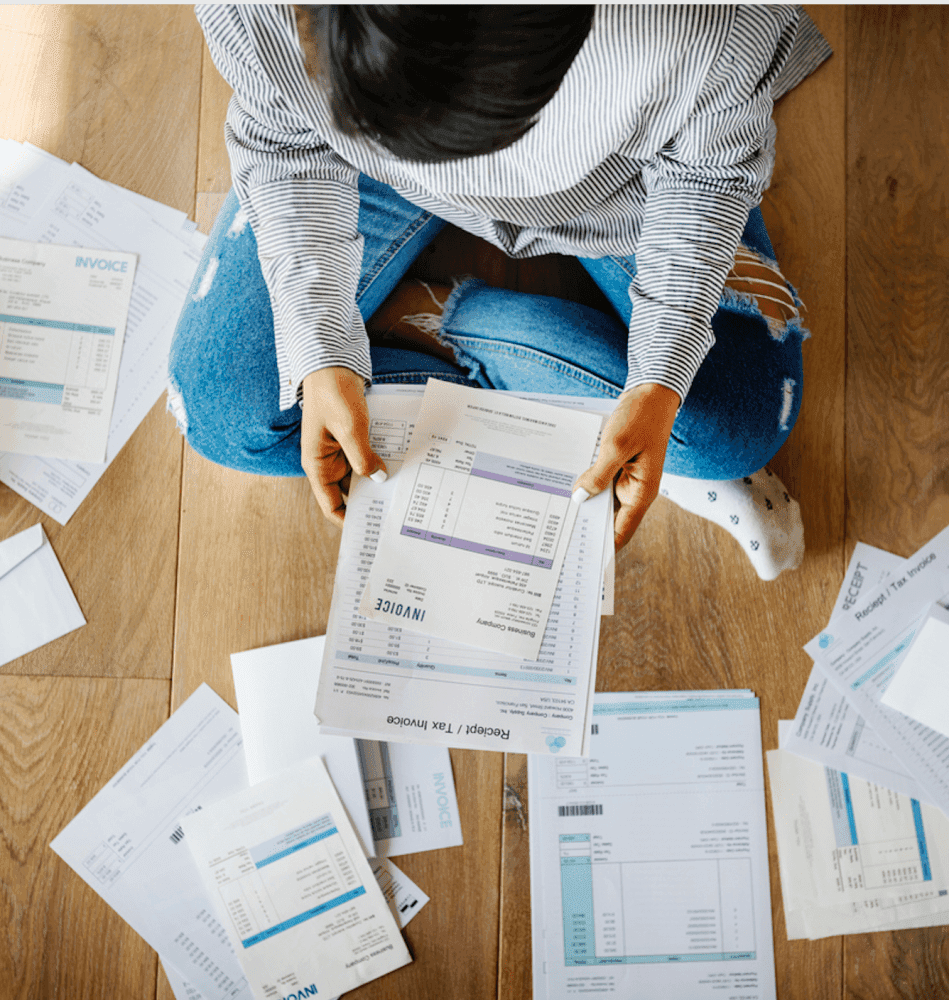
Handling Rising Costs of Living: Why It’s Happening and How to Save
Cost of living just keeps rising these days, and at a faster rate than ever before. And it’s not just in the United States–the cost of living is going up across the globe. But why now, and what can you do to save your hard earned money.Here are our top tips to reduce your cost of living expenses and save more money.What are cost of living expenses?Cost of living expenses depend in part on the individual. But according to the Economic Policy Institute, the most common cost of living expenses are housing, food, transportation, childcare, and healthcare. Inflation has caused these expenses to skyrocket lately.Why is the cost of living so high?The cost of living is so high these days due to inflation in the United States, which is higher than it’s been in forty years (that’s right, FORTY years!) and due to global inflation, which is at its highest since 2008. There are a lot of factors that contribute to inflation, and all take their toll on our wallets. Here are some of the top reasons for increased inflation and cost of living.Shortage on GoodsShutdowns during the pandemic caused manufacturing across the globe to halt. This caused a shortage not only in products, but in the raw materials used to make those products, including plastic, steel, timber, and concrete. While manufacturers have been reopened for some time now, they are still scrambling to catch up with demand. This drives up inflation and therefore our cost of living.Increased Fuel PricesGas is more expensive than ever, which affects our cost of living in a major way. As of late May, the national average was $4.57 a gallon. For the first time ever, drivers in all 50 states paid over $4.00 per gallon. This is because the price of crude oil has surged to over $110 per barrel, a cost that is passed on to consumers.And this price surge is for a few reasons:The US ban on Russian oil. While the US doesn’t get a lot of oil from Russia, the global fuel market is very sensitive. Any decision that affects purchasing fuel has many ripple effects. Ripples from the pandemic. Demand for oil plummeted during the shutdowns, causing oil producers to slow down production. This supply and demand imbalance has caused prices to surge.Summer blend gas. During the warmer months, gas companies switch to a “summer blend” which is formulated to evaporate less. But this reformulation comes with a higher price tag of an additional $.07 to $.10 per gallon.Increased Shipping CostsIncreased fuel prices coupled with a shortage of drivers and loaders has caused an increase in shipping costs as well. And this cost gets–you guessed it–passed on to the consumers. Almost everything that you buy is transported in some way, so this added cost affects your wallet in a big way.Rising WagesA shortage of workers has caused many companies to increase their wages. And these added wages and sign on bonuses have caused many companies to raise their costs.How can you save money with the rising cost of living?Saving money is more important now than ever. But there’s always steps you can take to get more in control of your finances. Here are our top tips for saving money and getting ahead of the rising cost of living.Make a budget. We probably sound like a broken record, but making a budget is one of the best ways to get a handle on your finances. Compare your monthly income to your monthly expenses to determine how you are faring in this economic climate. Making a list of your expenses can help you see the areas where you can cut costs and the areas where you can’t.Cancel unused subscriptions. Do you use your Netflix, Hulu, HBO, Disney+, etc? Are there any that you can part with? Try cutting back on some of these expenses first. Buy generic brands. When you go grocery shopping, skip on the name brands and opt for the generic brands. They are most likely incredibly similar and can save you a lot of money on your grocery bill.Seek out coupons. Look in the store circulars and online for coupons of your favorite items. A dollar or two here and there can save you a lot in the long run.Shop on Wednesdays. Most grocery stores release their circulars on Wednesdays, so you can get first dibs on the best deals.Combine trips to save on gas. With how expensive fuel is, you want to be as efficient as possible with your car. So try to combine your errands when you can to cut down on unnecessary mileage (and tank fill ups).Carpool. If you have some local work friends, try carpooling to work. You can both save on gas prices (and also get to utilize that sweet carpool lane!)Refinance your car. Refinancing can save you money in a few ways. First of all, if you may qualify for a lower car loan APR if either your credit score has increased or if prevailing car loan APRs have decreased. Lowering your APR can add up to hundreds if not thousands of dollars in savings. But even if your APR doesn’t change drastically, refinancing can still help you save money if you change your repayment period. Lengthening your repayment period will give you more time to pay off your loan, thus spreading the payments out so they are smaller.You will pay more in interest over time, but it can give you more breathing room every month. You can also shorten your repayment period. This will make your payments larger every month but will allow you to pay off your loan sooner and save you a ton in interest payments.Switch to remote work, if possible. More and more companies are allowing you to work from home. And with the price of gas, this can be a huge perk (not to mention the time you can save every day!)Ask for a raise. Employers are aware of the increased cost of living (after all, they are dealing with it as well). So be honest with your employer and ask for a cost of living raise. They may surprise you with their response and give you the extra income you need.Look for a side hustle. There are tons of ways to earn a little extra money these days. Look into driving for a rideshare or grocery shopping for other people. A few extra hours of work a week can give you a little more breathing room in your monthly budget.Negotiate your bills. Call your providers (such as your cell provider, TV, and internet) and see if they can reduce your bills. You may be surprised by their willingness to help. You can also try to negotiate fees on your credit card and overdraft fees from your bank.Eat out less. Eating out at restaurants is more expensive than ever with the rising cost of food. If you are accustomed to eating out or ordering takeout a few times a week, try cutting back a little to stretch your budget a little further.Pay back your debt. When things are tight, paying down debt may be the last thing on our minds. But prioritizing paying past debts will help you to eliminate their obligations and free up your money faster. At the very least, be sure to be making your minimum payments.Keep your emergency fund loaded. Again, saving your money during tight times might not be a high priority. But this is when it’s most important to have a solid rainy day fund. If something goes wrong when your budget is stretched, you are less capable than ever of dealing with it. So keeping some extra money socked away is super important. (Experts recommend having three to six months worth of expenses in your emergency fund.)Invest in bonds. If you are looking for a safe place to invest your money, look into buying “I bonds”. I bonds rise and fall with theConsumer Price Index, so they are protected against inflation. They are virtually risk free and are much safer than most other investment options out there today.Those are our top tips to reduce cost of living expenses and save your money during today’s high inflation.If times are tight, be sure to make a practical budget to help you stay on track. Look for simple ways to cut your expenses, such as switching up your grocery shopping habit and refinancing your car.A car refinance is a great way to save you money every month. And with how low car loan APRs are right now, it’s the perfect time to make the switch. Get in touch with our experts at Auto Approve today–they love to save people money and can help guide you through the process of refinancing. Get started today with a free quote!GET A QUOTE IN 60 SECONDS