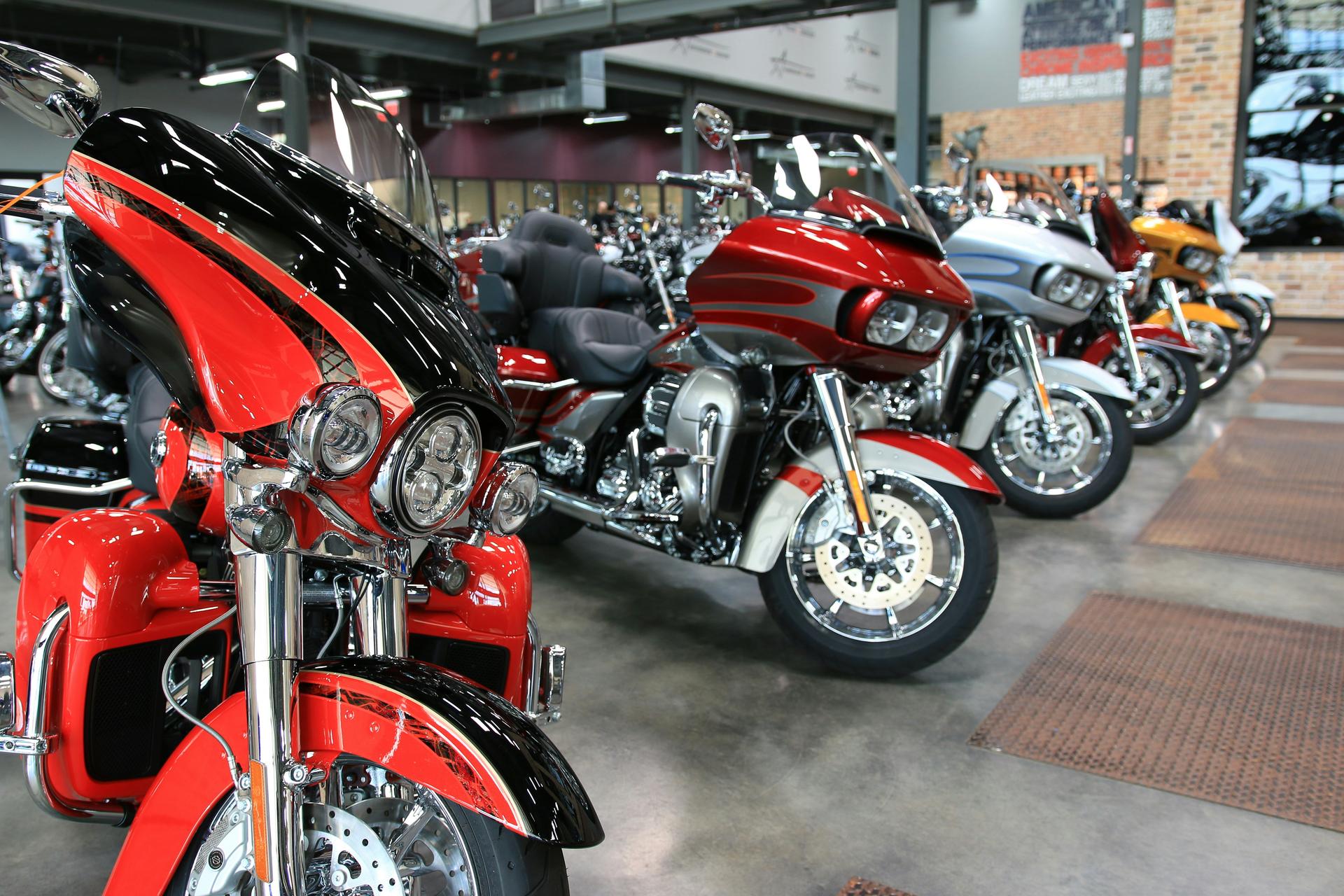
Whether you are looking to buy your first motorcycle or you are a seasoned rider looking for a new bike, this guide has the answers to some of your most pressing questions about motorcycle purchasing.
The key things to consider when buying a motorcycle are:
style
brand
intended use
engine size
price range
financing options
new vs. used (and condition, if used)
Read on to take a detailed look at each of these factors and how they may affect your purchase plan.
In this guide, we’ll cover:
What to look for in a motorcycle
Pros and cons of a new vs. used motorcycle
The steps to buy a new motorcycle
The steps to buy a used motorcycle
What lenders will look at when you apply for financing for a motorcycle
There are a lot of things you need to consider when you are selecting which motorcycle to buy.
Here are some questions you should ask yourself.
What is your price range?
How will you pay for it?
What is your intended use? For example, commuting, distance rides, or off roading?
Are you looking for a new or used motorcycle?
If used, what condition are you looking for?
Are you comfortable performing maintenance on your motorcycle? Do you know where you will go if not?
Make sure you have a clear budget for both downpayment and monthly payments, and consider all of these questions before committing to anything. Once you are comfortable moving forward, your next step is to decide which motorcycle is right for you.
There are a few different types of motorcycles out there, all of which have different advantages and disadvantages. Consider how you will be using the bike to determine which makes the most sense for you.
Standard: All purpose bikes that have an upright riding posture and are best for beginners and commuters. These are not ideal for long distance rides or off roading. (i.e. Honda Nighthawk)
Cruiser: Heavy bikes with a relaxed riding position and a V-twin engine that are best for taller riders who are looking for comfort. These are not ideal for smaller riders. (i.e. Harley Davidson)
Touring: Touring bikes are large bikes built for long distances, characterized by heavy engines and room for luggage. These are not ideal commuting bikes. (i.e. BMW R1200GS)
Sport: Smaller bikes that are built for speed and performance. They have a forward-leaning riding position and are built to be aerodynamic. These are not ideal for beginners. (i.e. Honda CBR)
Dual Sport: Lightweight bikes that are built for off-roading. They are not ideal for distance riding. (i.e. Suzuki DRZ)
Each motorcycle style is distinct, so your job is simply to determine which style is right for you and your lifestyle.
In addition to choosing your style of bike, you’ll need to determine the best engine size for your needs. Most styles come in a variety of engine sizes, and those on the smaller end (like 250 cc or 500 cc) tend to be less expensive to insure and better suited for beginners.
If you’re newer to riding, you may want to consider a motorcycle similar to the one you used when getting your motorcycle license, for your comfort and safety.
Consider a brand’s reputation when buying a bike:
Is the motorcycle model considered reliable?
What parts tend to have issues?
Are there any known drawbacks of the brand or model?
Where will you be able to get parts and get the bike serviced?
Looking online and on forums is a great way to get a sense of different makes and models. You want to read as much as possible to get a good sense of what might be the right motorcycle for your needs and comfort level.
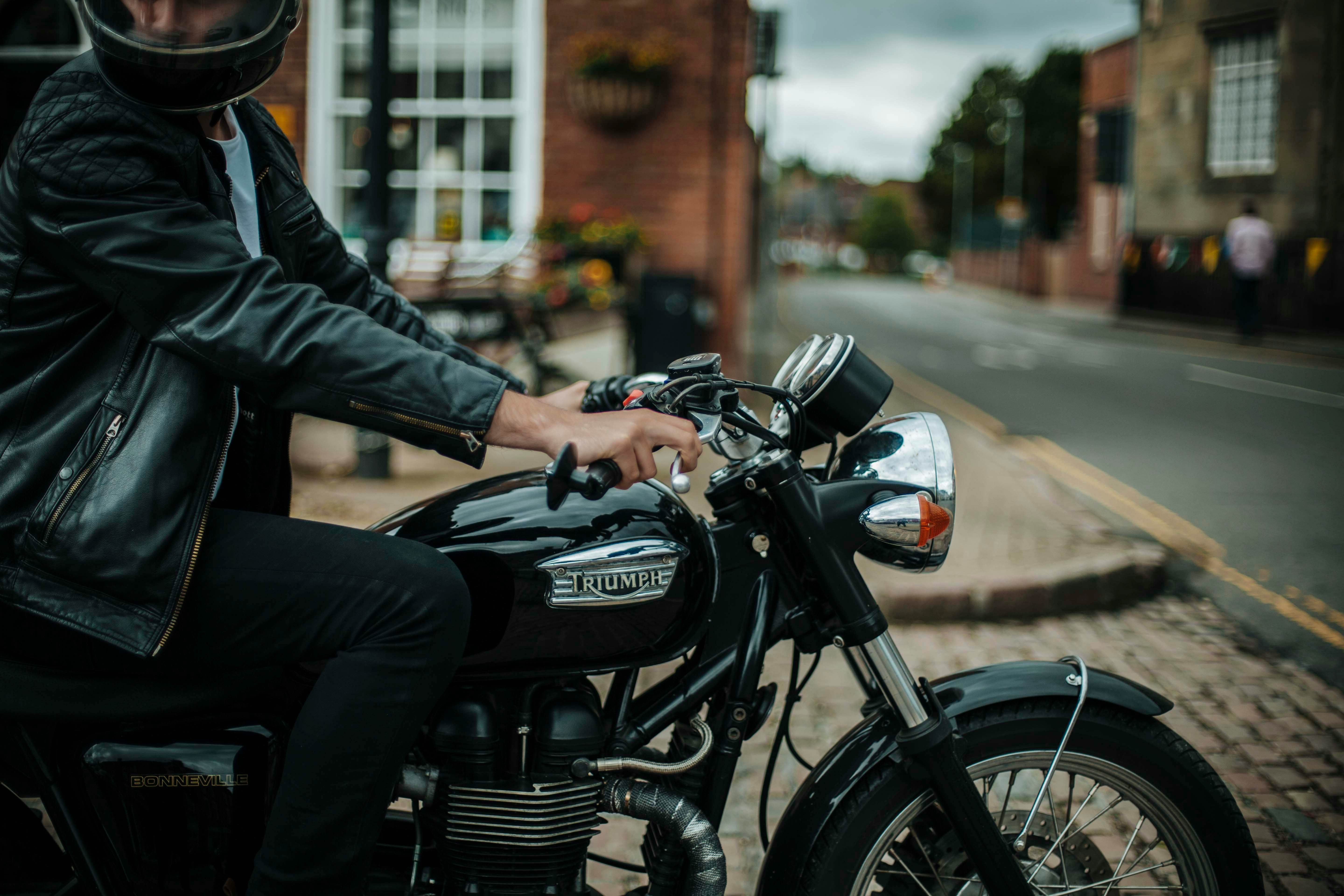
Once you determine what you are looking for in a motorcycle, you can start looking around. Next, you will have to decide if you are looking for a used bike or a new bike. There are some pros and cons to both new and used bikes, so consider what will work best for you.
Pros: With a new bike, you have the security of knowing that you are the first rider. There is no mysterious history to be weary of and no concern about improper repairs. You also get the peace of mind of a factory warranty that comes standard with new motorcycles in case any problems should arrive. You will also be able to finance your bike, which may be preferable.
Cons: On the other hand, you will certainly pay more for a brand new motorcycle, and the bike will begin to lose value as soon as it leaves the lot.
Many riders prefer to get a used motorcycle instead of a new model.
Pros: Used motorcycles are typically more affordable and a better value, as you will miss out on the sharp depreciation of the first few years. The model you buy should roughly retain its value, so if you need to resell it for any reason, you’re less likely to take a big financial loss. You can also choose to work on your bike yourself, as it will not be under warranty anymore, so if you like to tinker or prefer vintage motorcycle models, a used bike may be right for you.
Cons: The flip side of this is that you may not know much about the motorcycle’s past. You may discover unforeseen issues with it which can be costly to fix or even take your ride out of commission, and older parts may not be as easy to come by, depending on the make and model you choose.
Find a dealer. If you are buying a new bike, it will be easy to find a dealership that has what you are looking for. Look for a dealer with a good reputation and good customer reviews. If you can, try to visit at least two dealers that have what you are looking for so that you can compare the rates and terms.
Negotiate the terms. Question all of the prices and negotiate as much as you can. There is usually wiggle room on the MSRP and the fees such as the destination charge and the assembly charge.
Decide how you will pay. Are you paying in cash or are you financing? Paying in cash will get you a better deal overall and give you more negotiating power, but if you have good credit then financing shouldn’t be an issue.
Pick a lender. Shop around for financing before you get to the dealership. Dealership financing is notoriously more expensive. Instead, get pre-approved and think about how much you can comfortably afford every month. Making a significant down payment (at least 20%) will greatly help your monthly payments. Pick a repayment period that is between 2-5 years; the shorter your repayment period is, the higher your monthly payments will be, but the less you will pay overall.
Register and insure. After you sign on the dotted line, you will need to register and insure your new bike. And that’s it! You can enjoy your new wheels immediately (after picking up the right safety equipment, of course).
Find your bike. If you are looking for a used motorcycle, you may need to do a bit more research. Craigslist, Motorcycle Trader and eBay are all great places to start.
Do your research. Know what the Kelley Blue Book value is before you see the bike so you know you aren’t getting scammed. The more familiar you are with the bike, the better off you will be.
Be safe and smart. If you decide to see a bike, be sure to take safety precautions. Meet in a public place and bring a friend along.
Assess the condition. Be thorough when looking at the bike to make sure it is in good condition. If you notice any of the following, proceed with caution: high mileage, salvage titles, excessive wear, or difficulties starting, running or stopping.
Pay in full. If you are comfortable with the condition of the bike and feel that it is fairly priced (you can always try a little haggling!), then be prepared to pay in full with either cash or a cashier’s check. And remember to get a signed receipt.
Register and insure. You will still have to get it registered and insured, but after that it’s all yours.
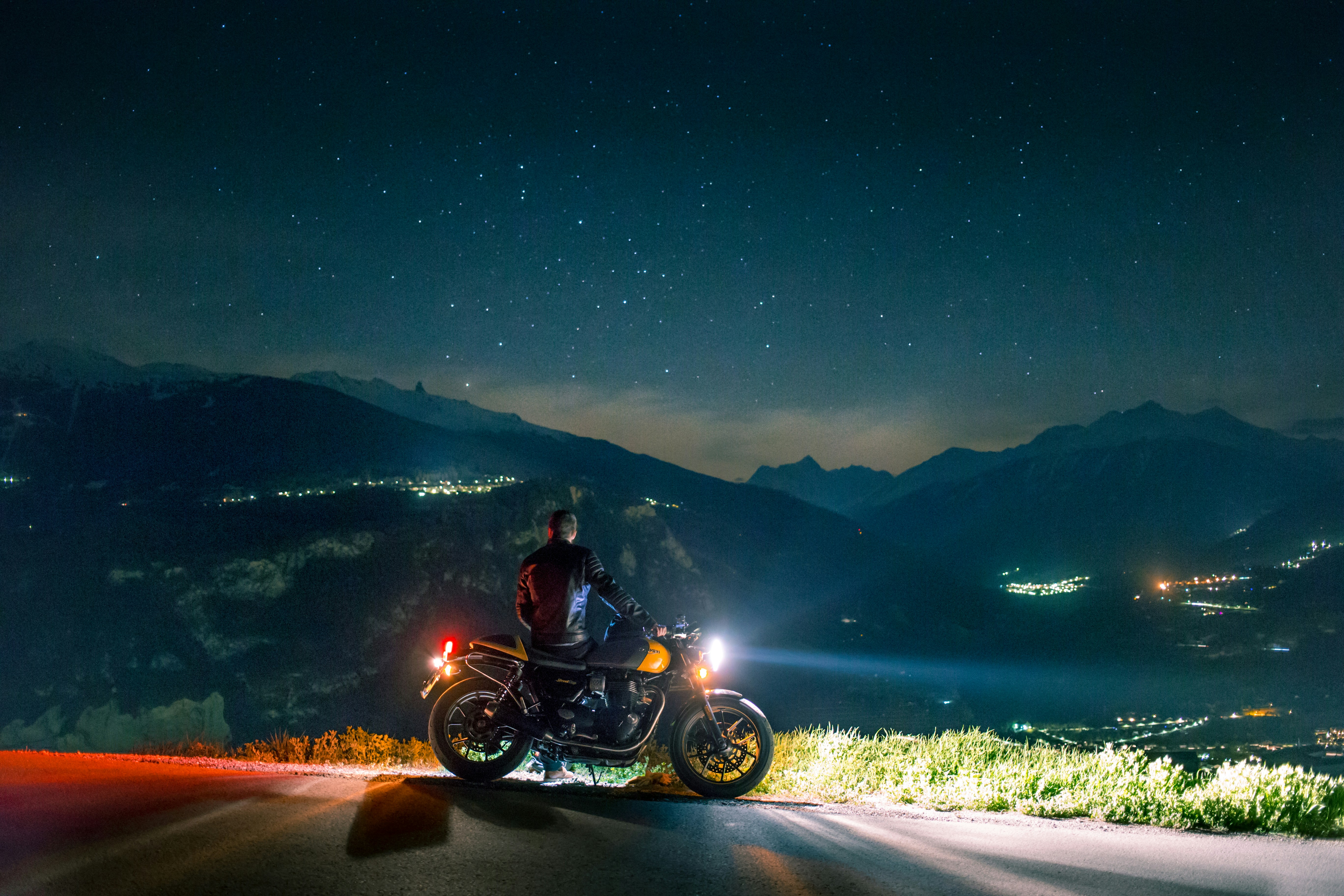
If you are looking to get a new motorcycle and get it financed, you have a few options: you can finance from a bank or credit union, directly from the dealership, or through manufacturer financing programs.
Lenders will take a few different things into consideration:
Your credit score
Your income and debt-to-income ratio
Your down payment
Your loan term
The price of the motorcycle
Depending on these factors, lenders will determine what motorcycle loan APR is appropriate. It is a good idea to make sure your credit score is in top shape before applying for financing.
If you end up getting a high rate because you selected dealership financing, or if you already have a motorcycle that is financed and aren’t happy with your loan, you may be able to refinance your motorcycle loan and save. By using a company that specializes in refinance, you can quickly and easily reduce your motorcycle loan APR and reduce your monthly payments.
If any of the following apply to you, it is definitely worth considering:
Your credit score has improved since you first financed
Your debt-to-income ratio reduced since you first financed
The market rates have decreased since you first financed
You got your loan directly from a dealership
When buying a motorcycle, you want to take your time and do your research to make sure you are fully prepared. Buying a motorcycle is a big choice, but it can lead to some pretty amazing adventures. And if you find yourself with a high APR or a monthly payment that just doesn’t work for you, remember—you can refinance a motorcycle to get a better rate!